Karkonosze National Park
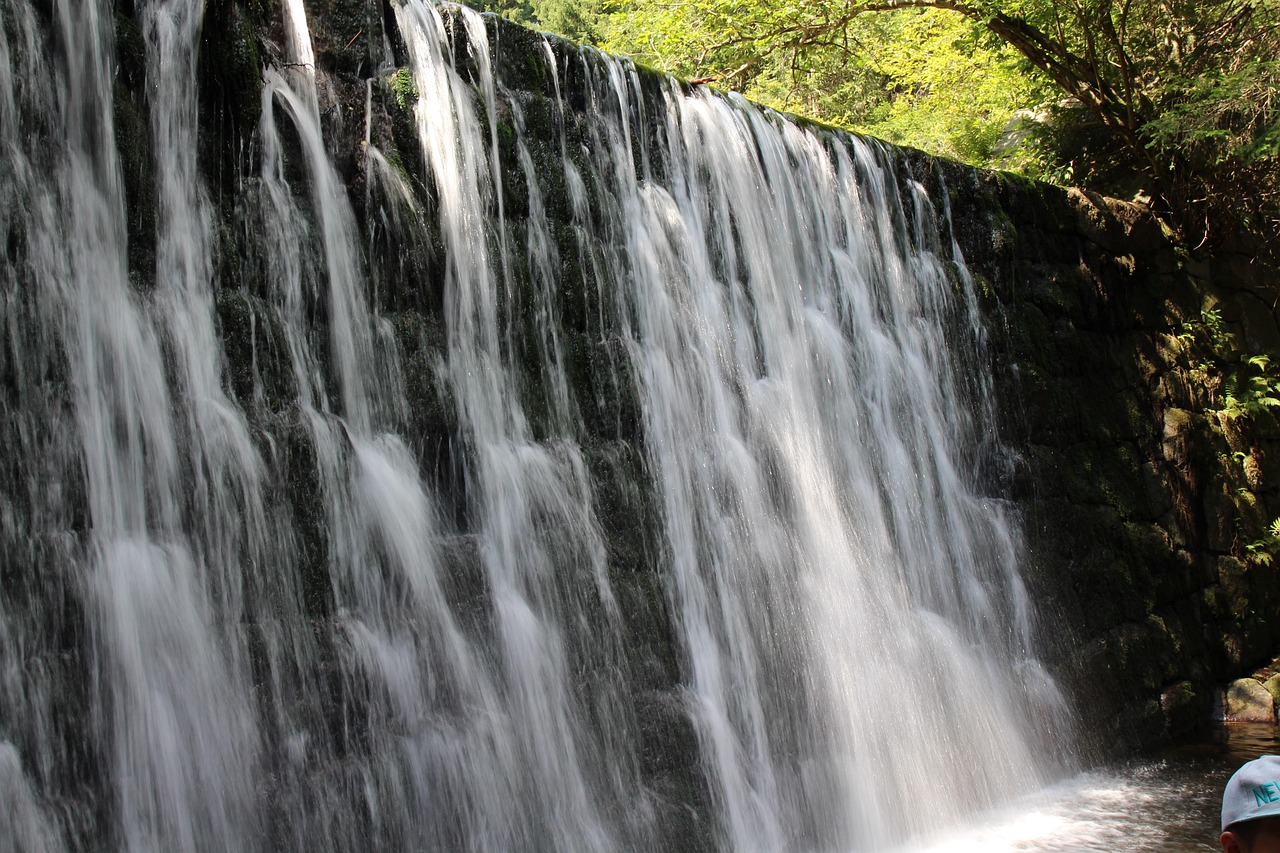
Karkonosze National Park protects one of the most distinctive mountain landscapes in Poland, featuring amazing terrain, waterfalls, and well-marked trails across the highest range of the Sudetes.
Location
Situated along the Polish–Czech border in the Sudetes Mountains.
Elevation
Approximately 600 m – 1,603
BEST FOR
Ideal for hiking, nature lovers, and year-round outdoor activities.
BEST TIME TO VISIT
May–October for hiking, December–March for winter activities
Why Visit Karkonosze National Park?
Karkonosze National Park offers a unique combination of amazing landscapes, protected ecosystems, and clearly marked hiking trails. The park is known for its distinctive rock formations, high mountain ridges, and waterfalls shaped by centuries of natural processes.
Well-maintained paths and visitor infrastructure make the park accessible to a wide range of visitors, from casual walkers to experienced hikers seeking higher elevations and panoramic views.
Top Things to Do in Karkonosze National Park
Hiking & Mountain Trails
Unique Rock Formations
Waterfalls & Alpine Streams
Scenic Viewpoints
Natural Highlights of Karkonosze National Park
Karkonosze National Park is defined by dramatic landscapes, rare ecosystems, and powerful natural formations shaped over thousands of years.


Where to Stay Near Karkonosze National Park
For a comfortable base while exploring Karkonosze National Park, Olympia Guest Hotel near Karpacz in Przesieka offers cozy rooms, easy access to trails, and a warm mountain welcome. Its location makes it ideal for both day trips and longer hikes across the park’s highlights.
Travel Tips for Visiting Karkonosze National Park
Mountain weather can change rapidly. Wear proper hiking shoes, carry warm layers, and always check trail conditions before setting out.
Some trails may require entrance tickets or have seasonal restrictions. Stick to marked paths to protect the park’s fragile ecosystems.
Karkonosze National Park is easily accessible from Karpacz and Szklarska Poręba by car or public transport, with multiple entry points.
Early mornings offer quieter trails and better visibility, especially during summer and autumn when visitor numbers are higher.
Winter conditions can be demanding. Some routes may be closed or icy, so proper equipment and advance planning are essential.